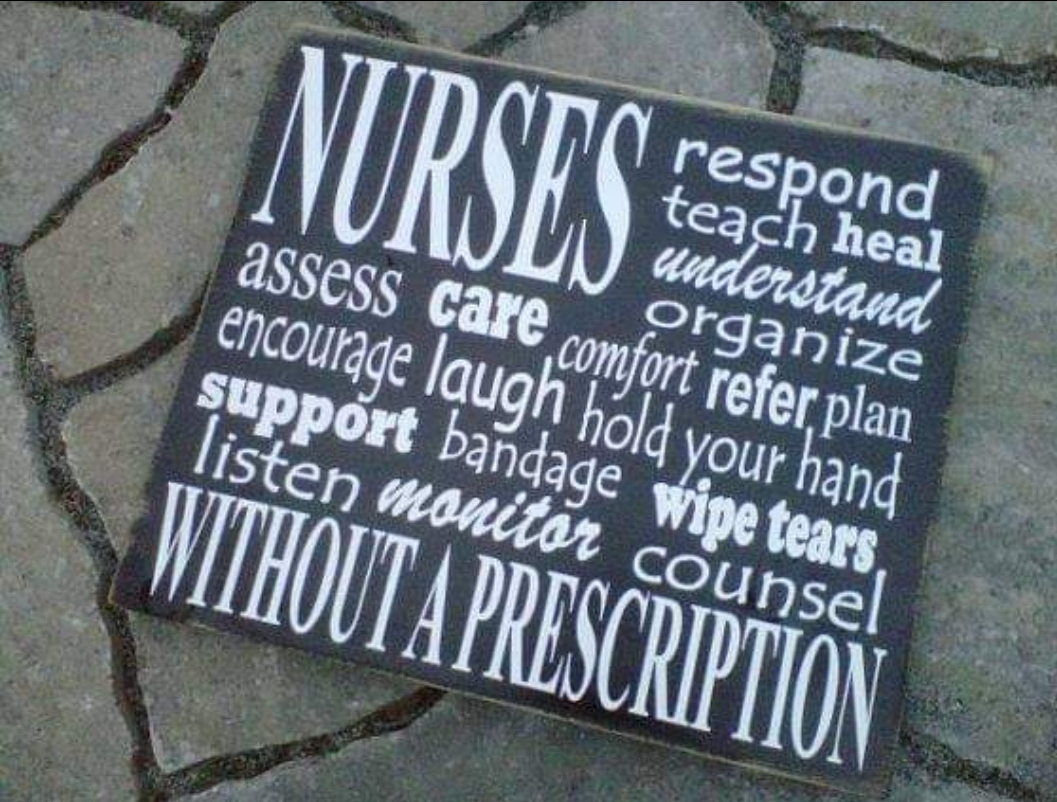
I often quip to understanding colleagues that I transformed my own residual childhood dysfunction into my vocation. Thanks to a meaningful process of personal healing, in combination with the ethics and standards of care inherent to nursing practice, I’m proud of becoming and being a compassionate and professional nursing care provider.
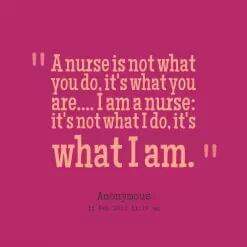
Nurses is who you are
While processing unprecedentedly devastating social, public health, and family dynamics, I was prompted to re-consider how the the chaos of the COVID-19 pandemic created -and continues to create- an unprecedented and intensely stressful environment that could easily trigger or exacerbate codependent behaviors in nurses and others, both personally and professionally:
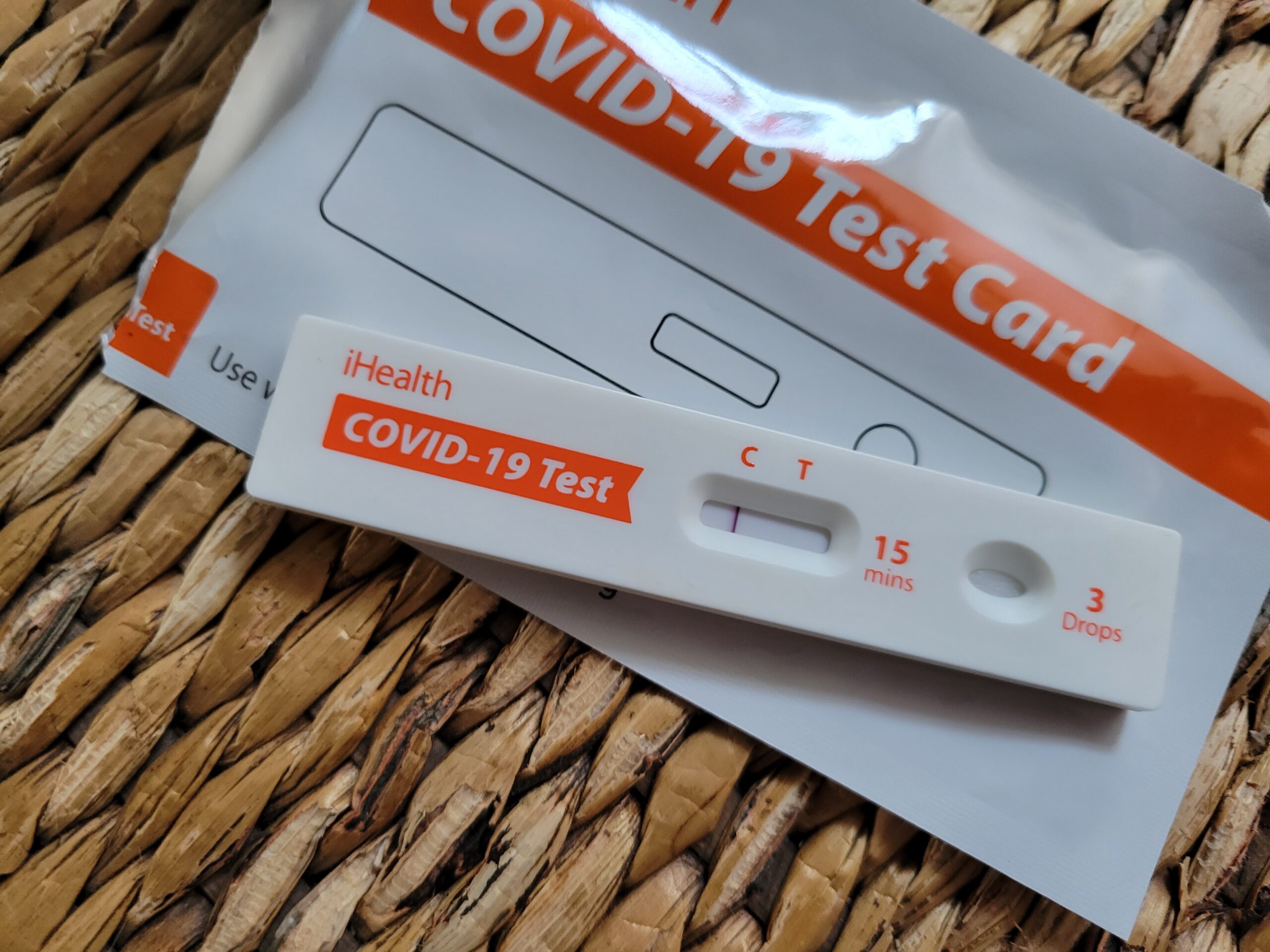
- Exaggerated Sense of Responsibility: The pandemic amplified nurses’ inherent caregiving roles to an extreme degree. Faced with constantly changing safety, tracking, and administrative mandates, overwhelming patient loads, limited resources (like PPE), and the constant threat of infection for themselves and their families, nurses often developed an exaggerated sense of responsibility for patient outcomes and colleague well-being, blurring the lines between professional duty and personal self-sacrifice. (This was especially true as the chaos of division and skepticism amongst Americans was elicited by failure in the government to let science and evidence guide the process.)
- Hero Narrative and External Validation: The early “hero” narrative for healthcare workers, while well-intentioned, could unfortunately feed into a codependent need for external validation. Nurses might have felt immense pressure to live up to this image, working beyond their limits to gain approval and avoid perceived failure, even at the cost of their own health.
- Fear of Abandonment/Letting Down the Team: Severe staffing shortages and intense demands fostered an environment where nurses might have feared “abandoning” colleagues if they took breaks, asked for help, or expressed their own needs. This fear could lead to overworking, taking on more than they could handle, and neglecting personal well-being to avoid letting down the team.

- Blurred Professional Boundaries: The crisis nature of the pandemic often required nurses to operate outside their usual scope of practice, take on additional roles, and work extended hours. This constant state of emergency could erode healthy professional boundaries, making it difficult to differentiate between required duties and self-sacrificing behavior driven by a sense of obligation.
- Emotional Enmeshment with Patients: Witnessing immense suffering, death, and patient isolation (due to visitor restrictions) could lead to deep emotional involvement. While empathy is crucial, prolonged exposure to trauma without adequate processing or support could lead to nurses taking on patients’ emotional burdens in an unhealthy, codependent way.
- Guilt and Shame: Nurses who felt unable to save every patient or provide perfect care due to systemic limitations might experience profound guilt and shame, driving them to work even harder in a self-punishing, codependent cycle.
- Isolation and Limited External Support: Lockdowns and social distancing often limited nurses’ usual external support systems (family, friends, hobbies). This could lead them to rely more heavily on their immediate work environment for emotional needs, potentially fostering codependent relationships within their teams.

Impact at Home and on the General Population:
- Caregiving for Vulnerable Loved Ones: Many individuals became primary caregivers for sick or vulnerable family members, often in isolation. The intensity of this role, coupled with fear and uncertainty, could lead to an exaggerated sense of responsibility for a loved one’s health and well-being, blurring personal boundaries and leading to self-neglect.
- Anxiety and Need for Control: The pandemic created widespread anxiety and a sense of lack of control. For individuals prone to codependency, this could manifest as an increased need to control the behavior of others (e.g., family members’ adherence to safety protocols) or to “fix” external situations to alleviate their own anxiety. Gaslighting of the public by elected government officials for their own gain complicated education and safety efforts.
- Blurred Household Boundaries: For those living with family or housemates, the forced proximity and blurred lines between work, school, and home life could lead to an over-involvement in others’ emotional states and an unhealthy sense of shared responsibility for everyone’s well-being.
- People-Pleasing to Avoid Conflict: With heightened stress and differing opinions on pandemic protocols, some individuals might have engaged in excessive people-pleasing to avoid conflict within their households or social circles, sacrificing their own needs and boundaries in the process.
- Grief and Trauma Response: The collective trauma and grief experienced during the pandemic could lead to heightened emotional states. For some, this might manifest as a desire to “rescue” others from their pain, even to their own detriment—a hallmark of codependent behavior.

In essence, the pandemic’s unique combination of high stress, uncertainty, isolation, and intense emotional demands created fertile ground for codependent patterns to emerge or intensify, as individuals struggled to cope and find a sense of control and belonging in a chaotic world.
The Al-Anon “One Day at a Time” Philosophy: A Path to Healing
The July 30th reading from Al-Anon’s “One Day at a Time” book provides timeless guidance about self-reflection and mindfulness. Keeping it simple, the daily reading for July 30 focuses on the concept of living in the present moment, emphasizing the wise use of time today and avoiding dwelling on the past or worrying about the future.

Here’s a summary of the key messages:
- Focus on the “Now”: The reading encourages you to consider the waking hours in the current day and consciously decide what you will do with them. It emphasizes that today is all the time you have to accomplish anything. ⏰
- Release the Past and Future: It advises against wasting time worrying about yesterday’s events or being filled with dread for what tomorrow may bring. The message is to let go of the things you cannot change and to trust that tomorrow will be a new opportunity.
- Create Your Day: The reading suggests using the time for essential duties, tackling the more difficult tasks first to avoid procrastination. It also encourages scheduling time for enjoyment, relaxation, and even a brief period for solitary meditation and prayer. ✨
- Embrace Personal Ownership: It highlights that this particular day belongs to you, and no one else. The quality of your day depends on how you choose to fill each moment.
- Find Serenity: The reading concludes with a quote from Al-Anon’s “Just for Today” bookmark, which encourages being unafraid, especially of enjoying what is beautiful, and believing that what you give to the world will be returned to you.
In essence, the July 30 reading is a powerful reminder of the Al-Anon principle of living “one day at a time” and using each day as an opportunity for personal growth, serenity, and self-care.

Classic Codependency Resources:
- Breaking Free from Codependency with Melody Beattie | The Mark Groves Podcast
- John Bradshaw – Bradshaw On: The Family – pt1
July 29, 2026:
This blog is revisited in light of the current political quagmire that both impactfully reduces our opportunities to learn from the lessons the evidence taught us in combating COVID and other infectious diseases, as well as distracts from the more pressing, current, and actual increasingly horrible issues of cost-induced hunger, disease, war, climate catastrophe, racism, and overt facism .
At a personal level, the added and unnecessary stress, work, illness, outrage and death many of us in and around healthcare experienced related to this same gaslighting, chaos-inducing messaging during the height of the pandemic is still fresh in our minds and continues in unforeseen medical and emotional consequences.
Learn more here: WE WANT THEM INFECTED
At the time of this writing, no credible professional medical or scientific association has criticized, much less sanctioned, Dr. Anthony Fauci.
“AAMC (Association of American Medical Colleges) President and CEO David J. Skorton, MD, and Chief Scientific Officer Ross McKinney Jr., MD, issued the following statement in response to the announcement that Anthony Fauci, MD, [would] step down from his roles as director of the National Institute of Allergy and Infectious Diseases (NIAID), chief of the NIAID Laboratory of Immunoregulation, and chief medical advisor to President Joe Biden in December:
‘The AAMC congratulates Dr. Fauci for his distinguished career in government service, including almost four decades leading NIAID. As a pioneering and stalwart leader in science, medicine, and public health throughout the years — combating the HIV/AIDS epidemic since the 1980s, the Ebola and Zika viruses, and most recently the COVID-19 pandemic — Dr. Fauci has helped save countless lives around the world. The mRNA vaccines for COVID-19 are a direct result of decades of research supported and advanced by the NIH and NIAID specifically, under Dr. Fauci’s leadership.
‘While the academic medicine community has long revered his skill and expertise as a physician-scientist and immunologist, Dr. Fauci’s commitment to scientific integrity and public health during the COVID-19 pandemic especially earned him the respect of millions more across the globe. Last year, the AAMC awarded Dr. Fauci its Special Recognition Award for his lifetime of public service.
‘We thank Dr. Fauci and his family for their dedication and sacrifice to improving the health of people everywhere.”
Past AAMC press releases and other media resources are available in the AAMC Press Center.”