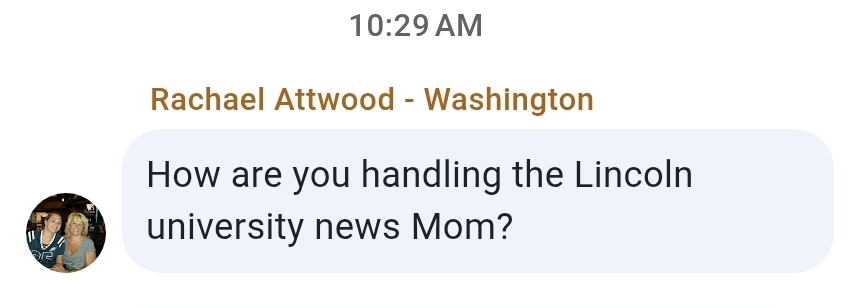
This morning, a text from my daughter shattered the Sunday calm. ???? My heart sank as I digested the tragic story of violence at Lincoln University ????’s homecoming last night.
Tears flowed as my mind immediately conjured images of those vibrant students ????????, brimming with excitement, ready to celebrate homecoming – a time of exuberant joy and shared connection that defines the university experience. The anguish and devastation gripping the entire Lincoln University ???? community must be immense. I can only imagine the pain of parents and grandparents, learning of this senseless violence during what should have been a moment of comfort and pride in their students’ achievements. My deepest condolences go out to all affected. ????

My connection to and appreciation for Lincoln University ???? runs deep. In 1999, as a utilization review specialist in a Philadelphia behavioral health system, a social worker colleague – also a professor ???????? at Lincoln ???? – strongly encouraged me to enroll in their Master of Human Services program. When I researched the university, learning that esteemed alumni included literary giant Langston Hughes and civil rights icon (and a personal hero of mine since a report I wrote in sixth grade), Thurgood Marshall, I was profoundly inspired. ????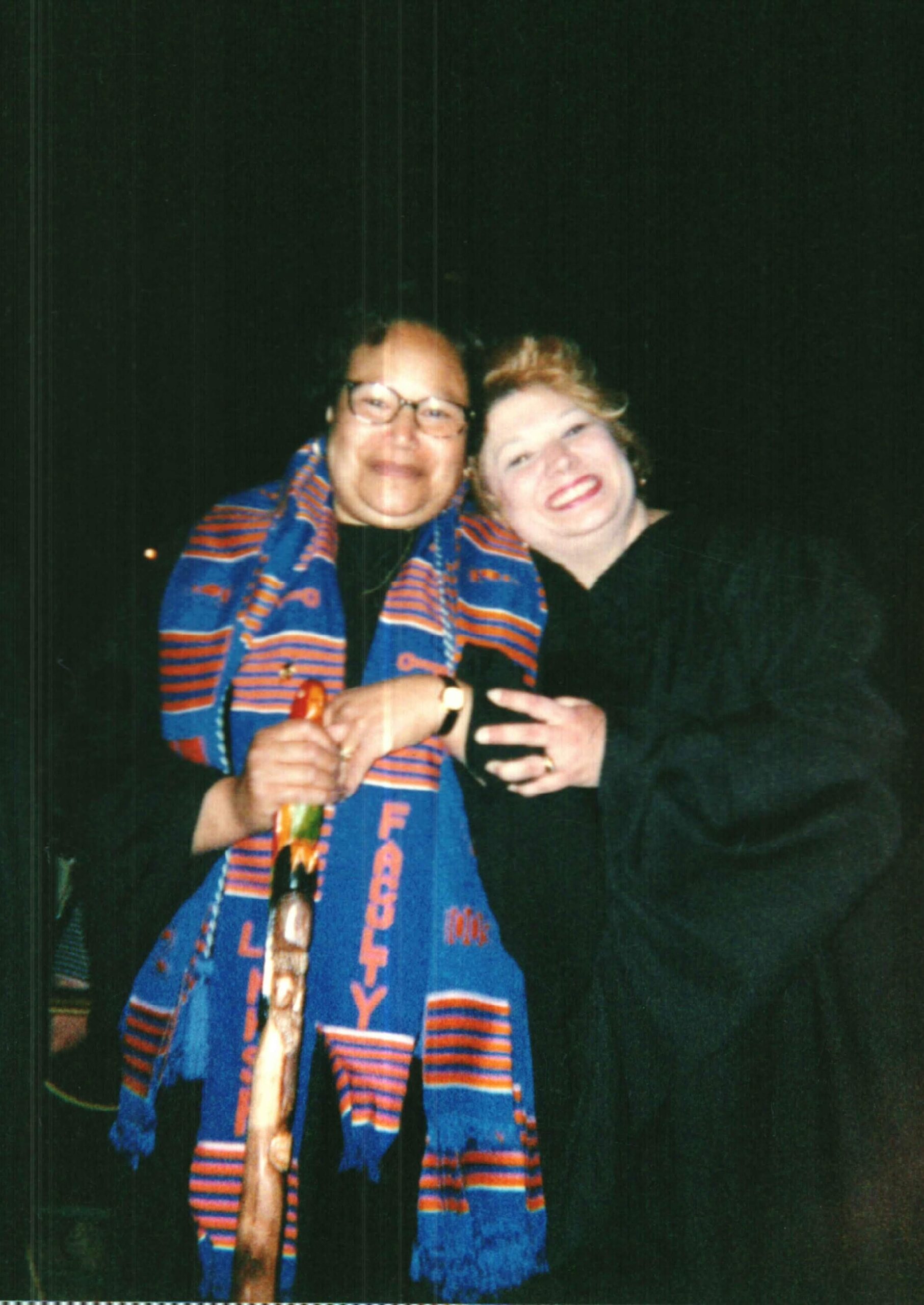
Despite concerns about time and finances, the consensus was that this accelerated program was the most efficient path to advance my career in healthcare and build a better life for my family. With advocacy from my colleague, the professor ????????, in a truly magnanimous gesture, Lincoln ???? invited me for an interview just weeks before the semester started, and I was accepted. ????
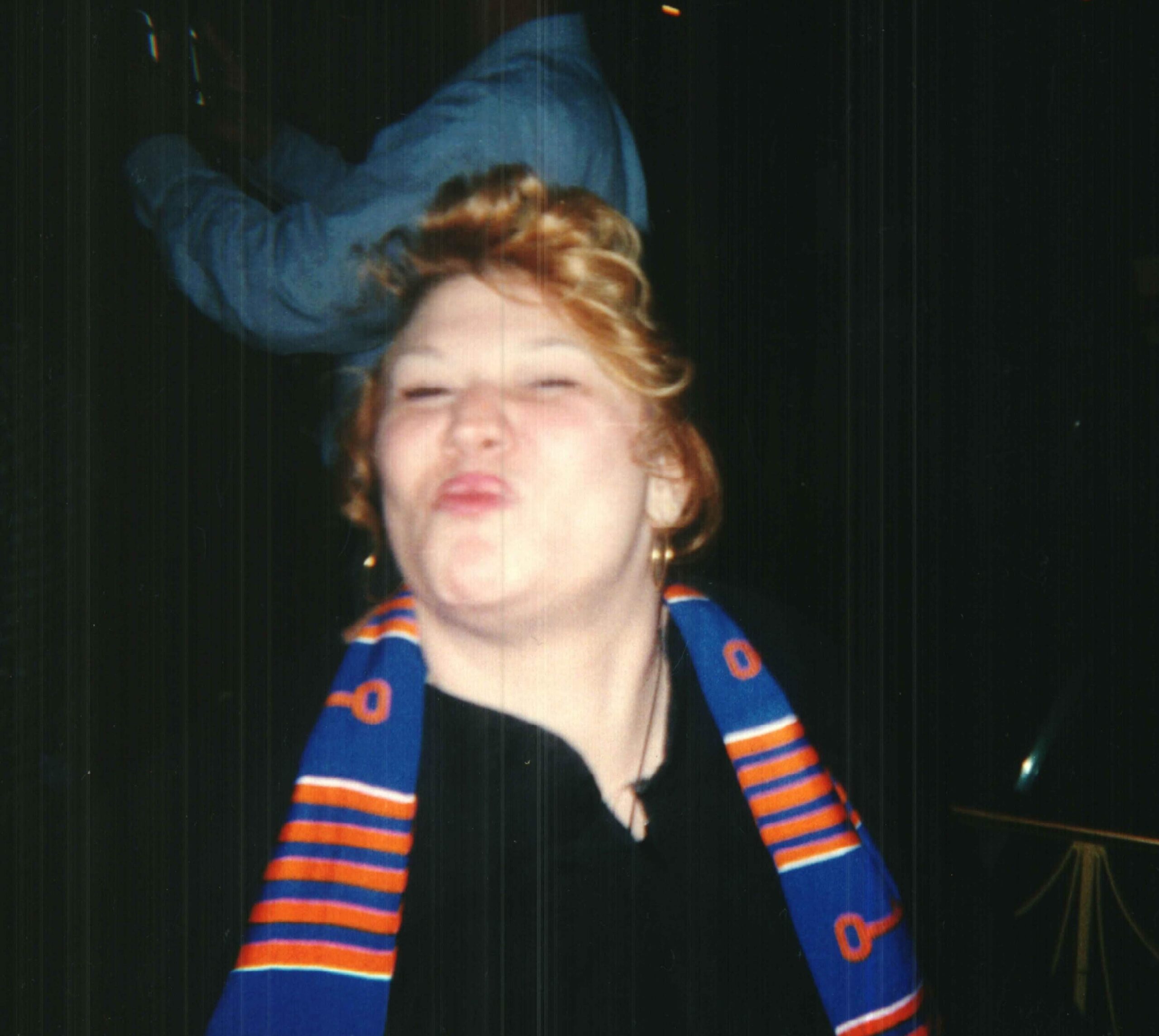
The Master of Human Services (MHS) program at Lincoln University ???? in 2001 was a unique, performance-based approach designed for full-time human service professionals. It targeted adults in administrative or supervisory roles, aiming to cultivate them into agents of social change. The curriculum ???? was rigorous, combining academic and performance-based learning, focusing on a systems approach to problem-solving at individual, agency, and community levels. It incorporated psychosocial systems, marketing, and ethical theory into human services practice, preparing students ???????? with essential interpersonal, managerial, research, and presentation skills.
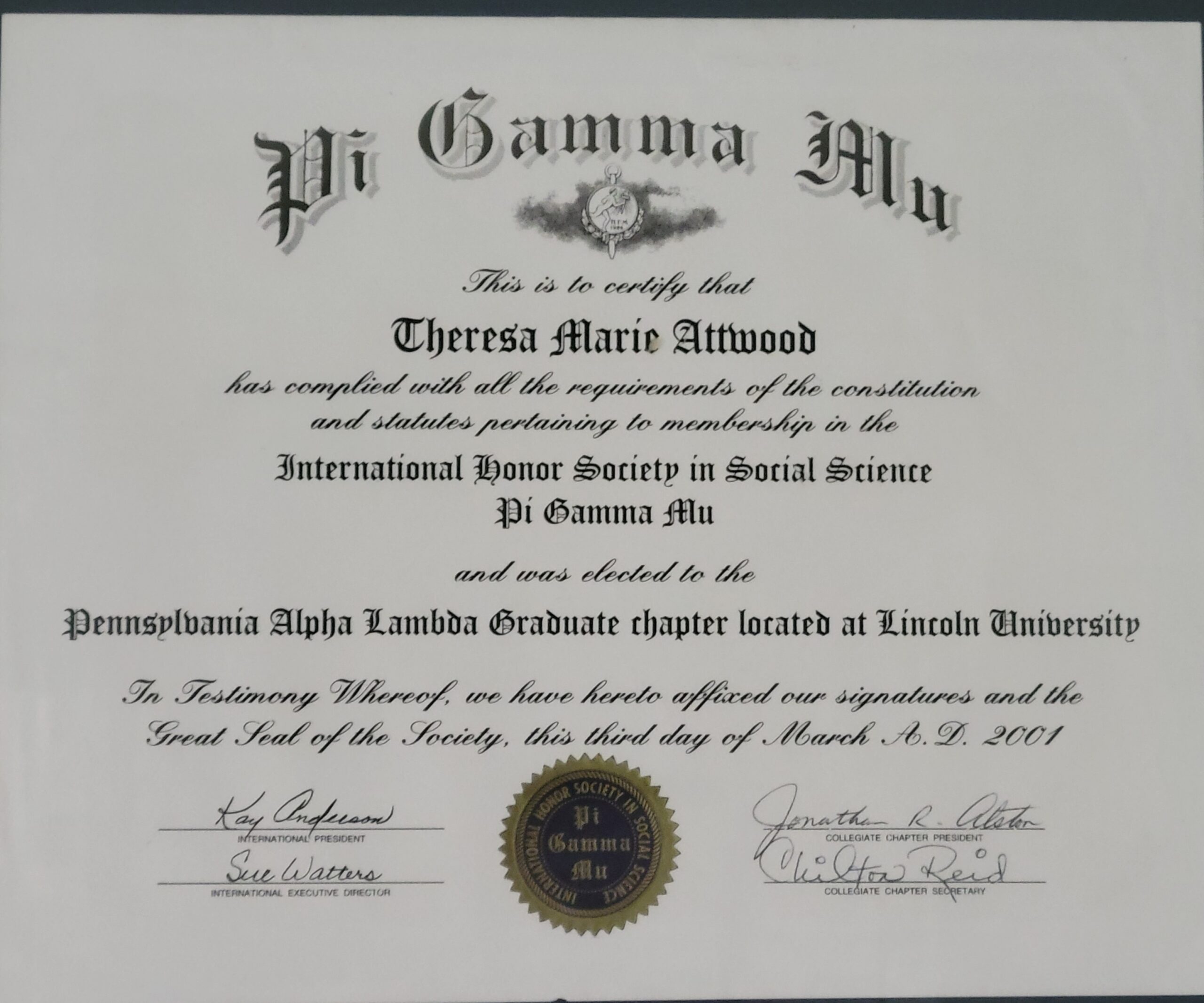
The program spanned two years, including an intensive summer semester. Accompanying the diverse texts ???? and other media resources we explored, we participated in many experiential social experiment activities, and concluded the curriculum with the completed a complex field project using the Action Research model and could specialize in either a micro (counseling) or macro (administration) track in their final year.
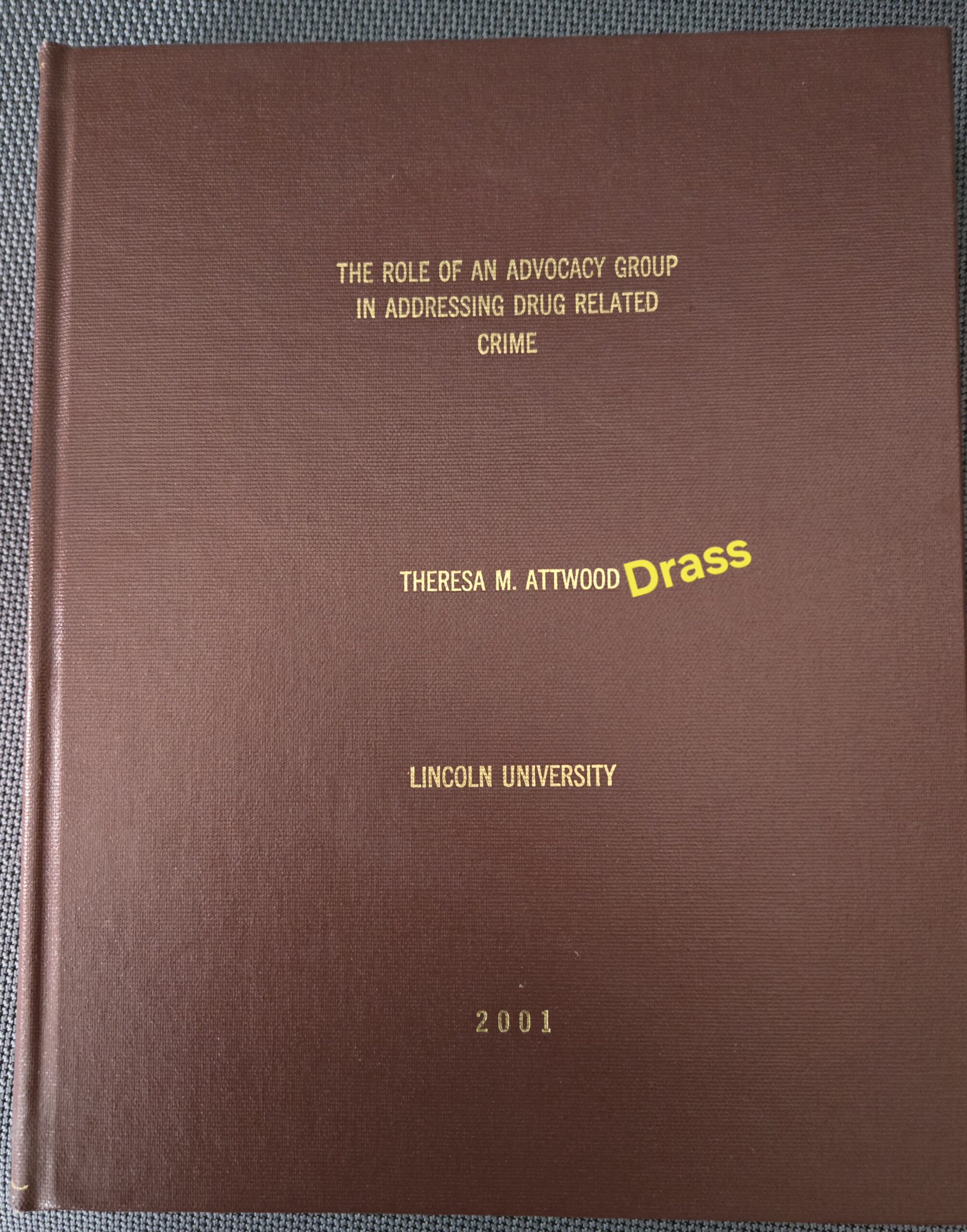
Looking back, no one, and especially not I, could have imagined how poignantly impactful this education would be. As one of only two Caucasian students ???????? in the class, I received an education that was as directly relevant to my work as a psychiatric and mental health nurse, as it was to confronting pressing social problems. ????

Every single day, I was challenged personally, academically ????, and professionally in ways I never could have foreseen. I was so far out of my comfort zone that I nearly quit after just a few weeks. My worldview suddenly seemed so limited and naive. I distinctly remember a particular discussion about “classical” music and why only traditional European music was considered such. It was a moment of profound introspection.

A key part of the program involved not only developing a social change project but also a careful exploration and writing of our autobiographies. The philosophy was that we, as therapeutic tools, must be self-aware, authentic, and trustworthy.

Fortunately, most of my professors ???????? were incredibly wise, insightful, and professional. They wholeheartedly made every effort to understand and lean into my lack of insight about diverse educational ???? and social systems. They graciously honored my sincere attempts to learn, understand, and become a better nurse and social change agent. In return, I embraced humility and a willingness to examine the bigger picture, even when it was uncomfortable. ????
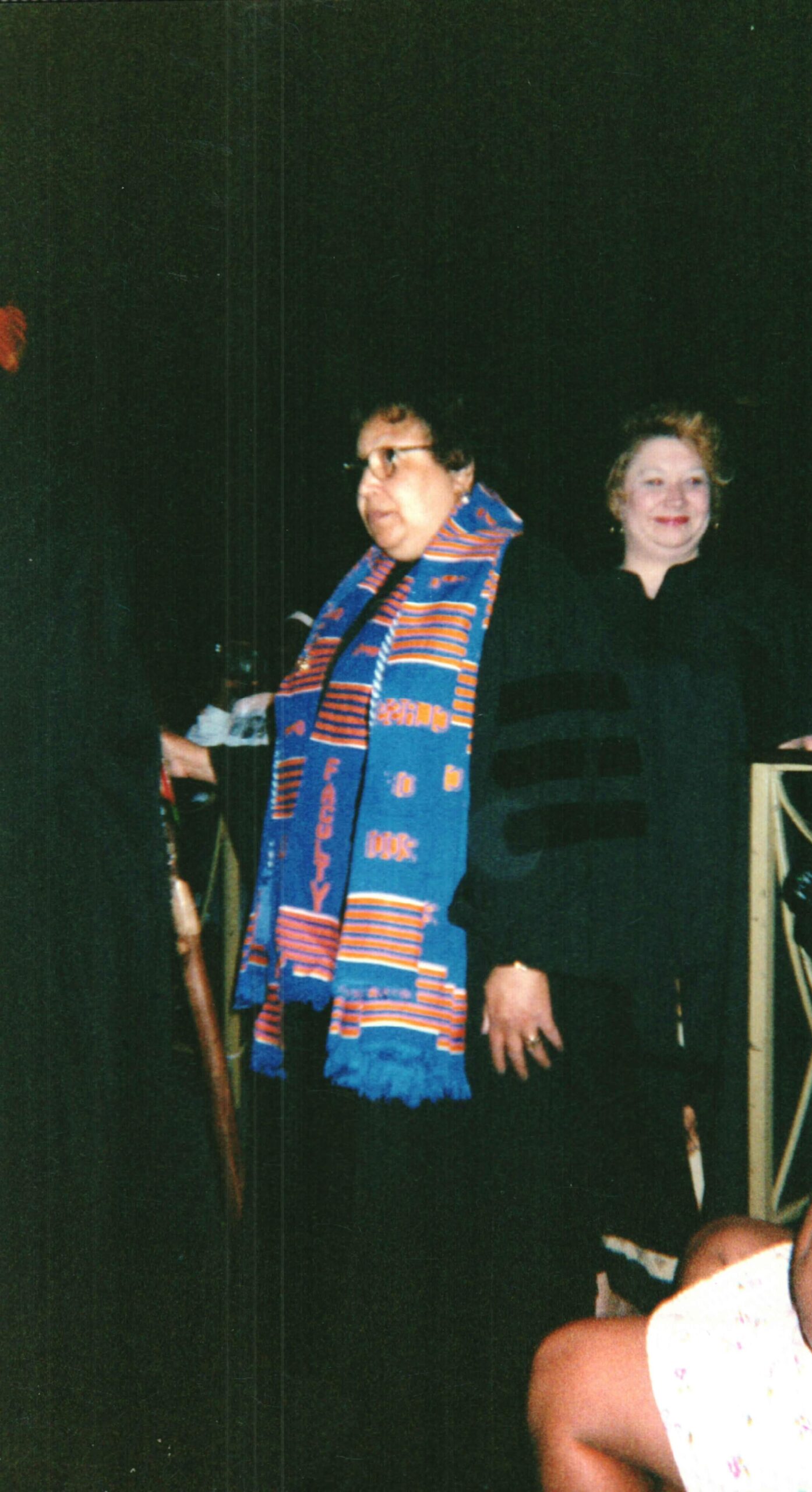
I cannot overstate the ongoing personal and professional value of the education I received at Lincoln University ????. It shaped me in ways that continue to resonate in my work in behavioral health and addiction treatment, where I’ve championed equity, person-centered care, and systemic change.

Lincoln University ???? instilled in me the skills and perspective to become an agent of social change, as highlighted in my professional journey. From implementing evidence-based practices to spearheading systemic revisions in treatment planning and risk prevention, the foundational principles learned at Lincoln ???? have guided my every endeavor. ????
The Enduring Legacy
The tragedy that unfolded is a stark reminder of the fragility of life and the importance of community. But it also serves to underscore the enduring spirit of institutions like Lincoln University ???? – places that not only educate ???????? but also forge character, inspire change, and build lifelong bonds.

My heart is with the Lincoln University ???? family during this incredibly difficult time. May the community find strength, solace, and a path toward healing. And may the legacy of those lost be honored by the continued pursuit of excellence, community, and social justice that defines this historic institution. ????
With deepest sorrow and profound gratitude,
A proud Lincoln University ???? Alumna.
????????????????????️