How has managing stress impacted your daily life recently?

A tangible tension pervades the atmosphere, a stark reflection of the unprecedented global chaos currently unfolding. This feeling manifests not only in our daily lives but also in the general vitriol seen everywhere, with aggressive driving, impatient tailgating, and near-misses on the roads serving as just one alarming example.
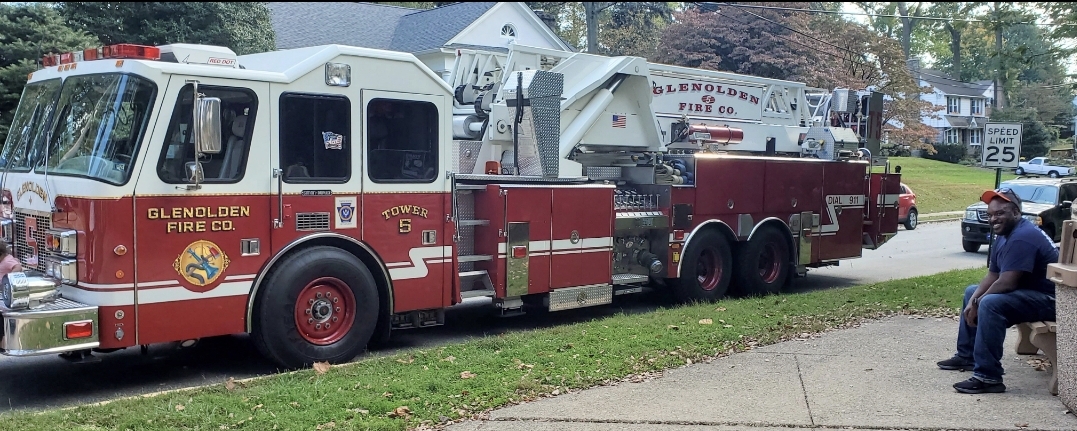
???????? Tense Travels & Traffic Terrors ????????
This widespread anger is often a sign of deeper mental health issues, a problem that has grown significantly in recent years. This article, provided by the mental health professionals at Drass Associates, explores the bigger picture behind these behaviors, the challenges our healthcare system faces, and the positive steps you can take to help. It also introduces two powerful tools—Treatment Plans and Wellness Recovery Action Plans (WRAP)— that can help you take charge of your own well-being.
???????????? AWAZING! Paddington’s Powerful Impact ????️????????
This article, provided by the mental health professionals at Drass Associates, explores the bigger picture behind these behaviors, the challenges our healthcare system faces, and the positive steps being taken to help. It also introduces two powerful tools—Treatment Plans and Wellness Recovery Action Plans (WRAP)— that can help you take charge of your own well-being.

Drass Associates is a trusted partner in mental health care.
The Mental Health Emergency
The problems we see today didn’t start with the COVID-19 pandemic. Issues like bigotry, violence, and the opioid crisis were already a part of our communities. When COVID-19 arrived, it added new challenges, including widespread isolation. According to a study in the National Institute of Health, the pandemic’s economic and social crises created huge challenges for people everywhere.
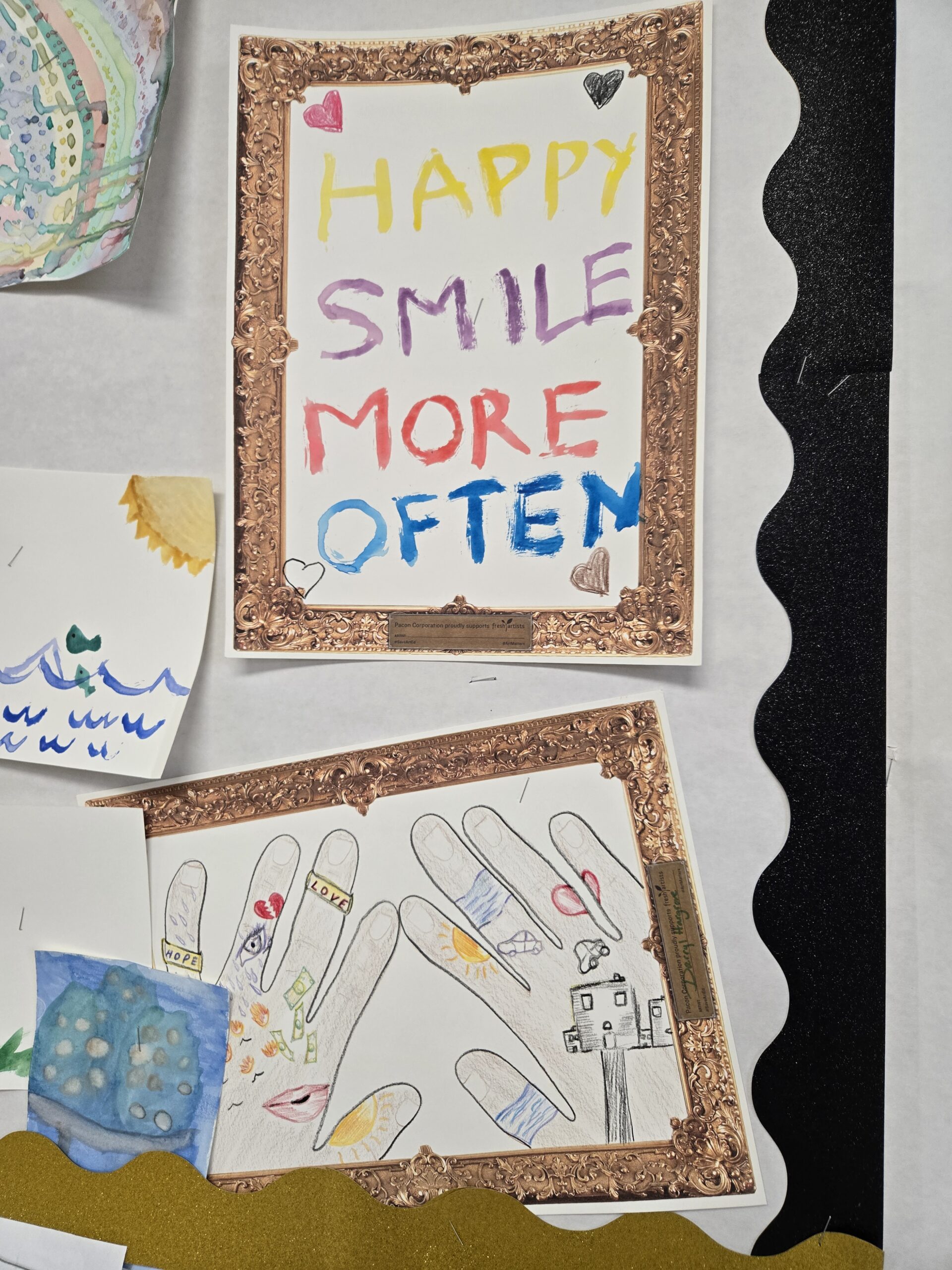
???????? Mental Health and Kindness ????????

“Once you choose hope, anything’s possible.”
Christopher Reeve
One study showed that nearly half of all Americans (47%) believe the pandemic divided their communities. Stress and divisiveness have continued to be significant issues and are worsening, sometimes to traumatic levels, in the current climate. Factors such as ongoing global events, economic uncertainties, and social and political polarization contribute to our increasing trepidation.
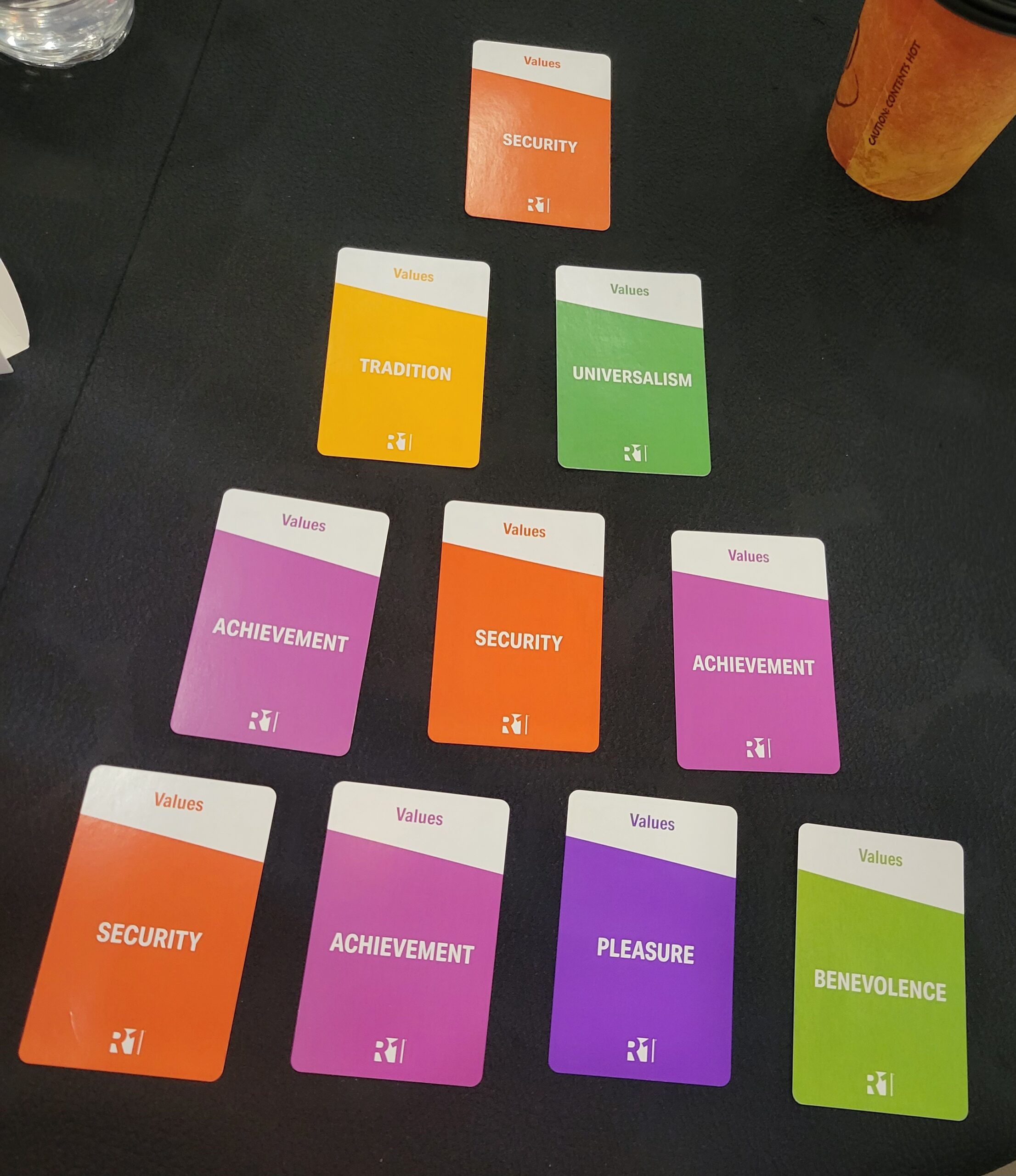
???????? Vivify your Values ????????
A Persistent Threat: The Opioid Crisis
The opioid crisis is one of the most alarming health issues in the United States. In 2021, over 106,000 people died from drug overdoses, with more than 70,000 of those deaths caused by opioids. This is a huge increase from the 16,000 opioid deaths in 1999.
This crisis is fueled by a number of factors, including the overprescription of painkillers, the availability of illegal drugs like fentanyl, and the stigma and shame often associated with addiction.
???????? Opioid Deaths Are Down? ????????
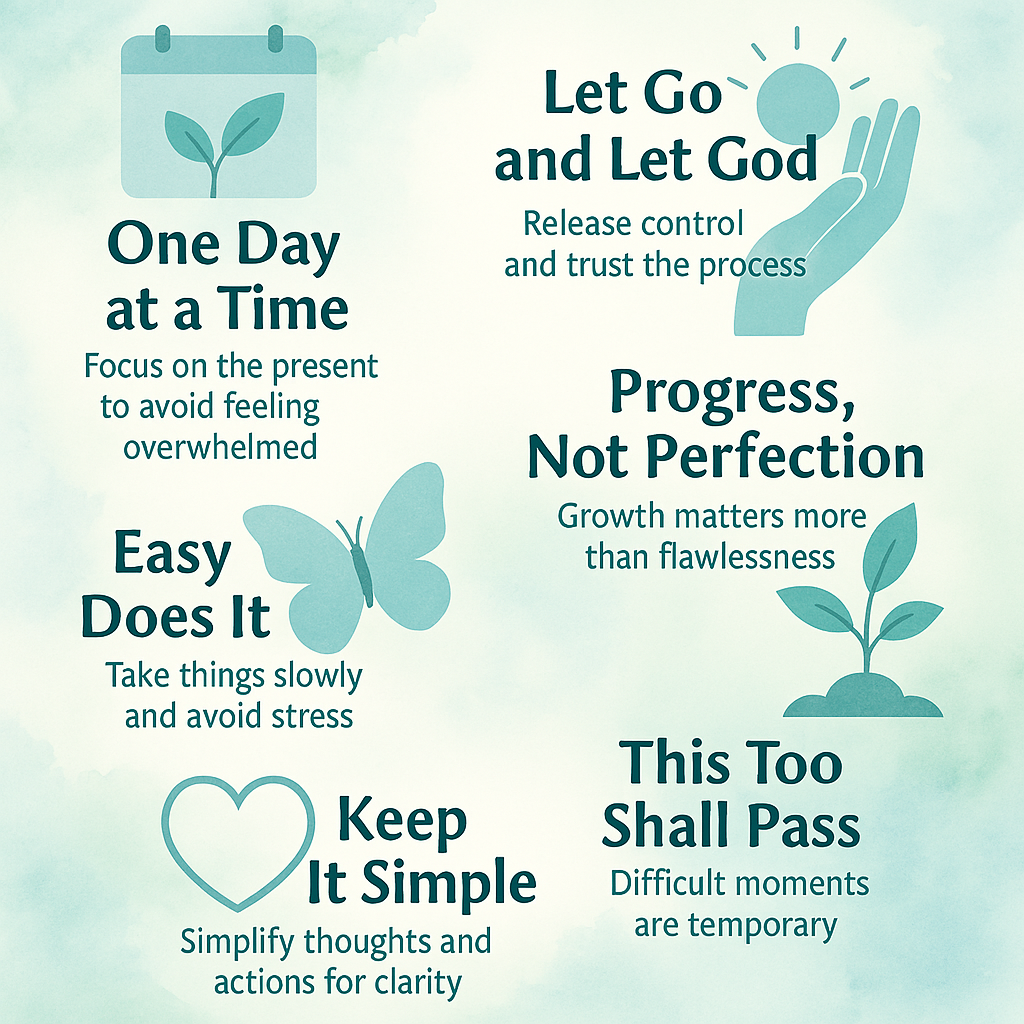
Mutual Aid 12 Step Group Slogans
Our Healthcare System’s Roadblocks
While our medical system has some of the best care in the world, it is often not able to meet the mental health needs of our communities. Here are some of the biggest reasons why:
- High Cost of Care: The U.S. spends more on healthcare than any other developed country. The high costs are driven by expensive technology, prescription drugs, and an inefficient system.
- Provider Shortages: There aren’t enough doctors and nurses, especially in primary care. This is partly due to low pay and high job stress, making it hard for many to get the care they need.
- Inequality: Not everyone has access to quality healthcare. People from disadvantaged communities often have worse health outcomes.
- Private Ownership: More and more private companies are buying healthcare systems. These companies are focused on making a profit, which can sometimes lead to decisions that harm patient care or cut important services.
⚖️???????? Perpending Profit over Patients ⚖️????????
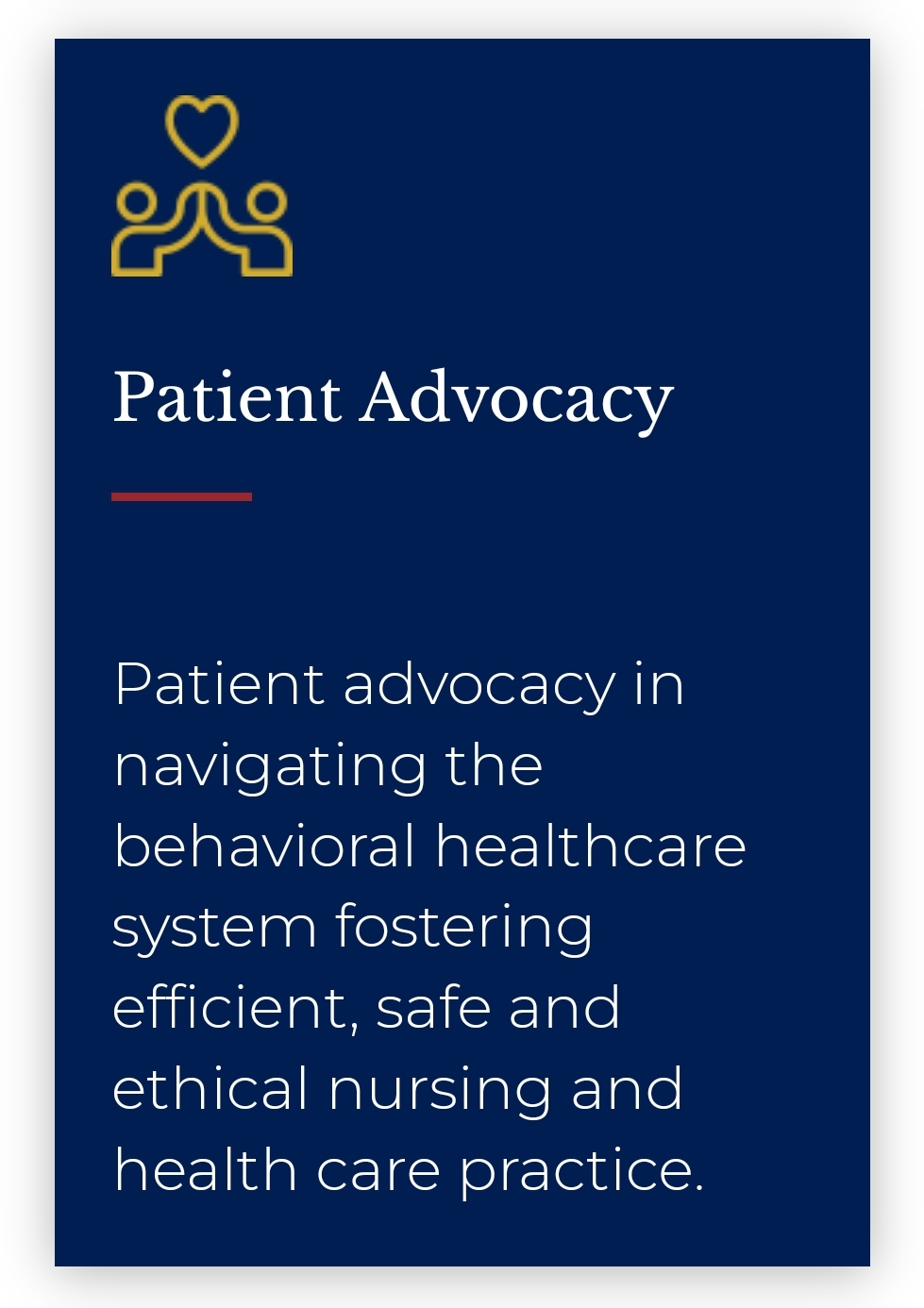
- Stigma and Lack of Parity: There is still a lot of shame around mental illness, which stops people from getting help. While laws like the Mental Health Parity and Addiction Equity Act of 2008 (MHPAEA) exist, many insurance plans still don’t cover mental health care in the same way they cover physical health care.
⚖️????????Complicated Continuing Care and Community Collaboration⚖️????????

The Substance Abuse and Mental Health Services Administration (SAMHSA) is the primary federal agency in the U.S. that works to improve the nation’s behavioral health. Its mission is to lead public health efforts that promote mental health, prevent substance misuse, and provide treatments and supports to foster recovery. SAMHSA does not provide direct treatment to individuals, but rather supports state and local efforts through funding, data collection, and technical assistance.
The Substance Abuse and Mental Health Services Administration (SAMHSA) has undergone significant changes recently. The most notable development is the announcement that SAMHSA is being restructured and absorbed into a new, larger agency called the Administration for a Healthy America (AHA).
This restructuring has involved deep funding cuts and a reduction in staff. As a result, many of SAMHSA’s previous functions will now be handled under the AHA umbrella. This includes the integration of staff and programs from other agencies as well, such as the Office of the Assistant Secretary for Health (OASH), the Health Resources and Services Administration (HRSA), and others.
???????? SAMHSA: Steering and Supporting Success ????????
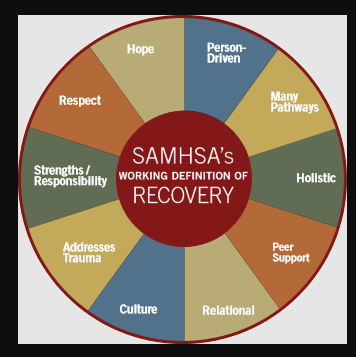
Two Tools for Mental Wellness: Treatment Plans and WRAP
Navigating mental health can feel overwhelming, but there are roadmaps to guide you. Two powerful tools, Treatment Plans and Wellness Recovery Action Plans (WRAP), are accessible instruments with the strategies and insights you need either in treatment or DIY at home.
???????? ???? Cyndy’s Jewels: Transforming Need into Enthusiasm ????????????

Treatment Planning: The Clinical Roadmap
For both my clinical and consulting endeavors, a cornerstone of success has been the meticulous construction and/or analysis of individualized, person-centered, and strengths-based treatment plans.
????????Teasing Out Technology and Treatment Planning????????
These plans, grounded in evidence-based interventions and featuring Specific, Measurable, Achievable, Relevant, and Time-bound (SMART) goals, are not merely administrative requirements; their importance as a foundational element for recovery and healing cannot be understated. They (should) provide a clear, adaptable framework for progress.
⚖️???????? Legal Liability in Clinical Documentation ⚖️????????
Legal Nurse and Behavioral Healthcare Consulting
A Treatment (Recovery) Plan is a clinical document created by a patient or client’s interdisciplinary treatment team.
???????? Families as An Evidence Based Practice in Healing ????????
The interdisciplinary team includes the patient or client as well as his/her/their family when possible (“Nothing about ‘em without ‘em.”)
????????You CAN Pick Your Family ????????

It’s a roadmap for your therapy and is based on clinical diagnoses and treatment goals.
???????? Assessments, Treatment Planning and Patient Safety ????????

Nursing Interventions CCP Nursing School Care Plan
Here’s what you’ll find in a Treatment Plan (????and contact DrassAssociates.com if you don’t ????!):
- Diagnosis: The official name of your condition (e.g., Major Depressive Disorder).
- Problem Statement: A clear description of the issues you’re dealing with in your own language or as defined by your own behavior.
- Goals: The big, long-term things you hope to achieve, like feeling happier or worrying less.
- Objectives: The specific, time-bound steps you will take with professional support to reach those goals.
- Interventions: The actions you and your therapist will take, such as learning new coping skills or managing medication.
???????????? Peer Support & AI as Tools for Psychiatric Nurses ????????????

A recovery plan is a “living document” that changes as you make progress and your needs evolve.
⚖️????????The Legal Side of Treatment Planning????????⚖️
WRAP Plans: Your Personal Wellness Playbook
A Wellness Recovery Action Plan (WRAP) is a personal tool that you create for yourself. It is not a clinical document and doesn’t require a professional to make it.
???????? Own Your Obstacles ????????
(???? But if you need assistance, we’re here to help!! ????)
???????? Clarity is a Powerful Commodity ????????

Much like recovery plans used in treatment, the purpose of a WRAP is to help you use your own strengths and coping strategies to stay well and prevent crises. It requires a thorough, meaningful assessment of you, and of the circumstances as well as a clear, SMART statement of the goal(s) you want to achieve.
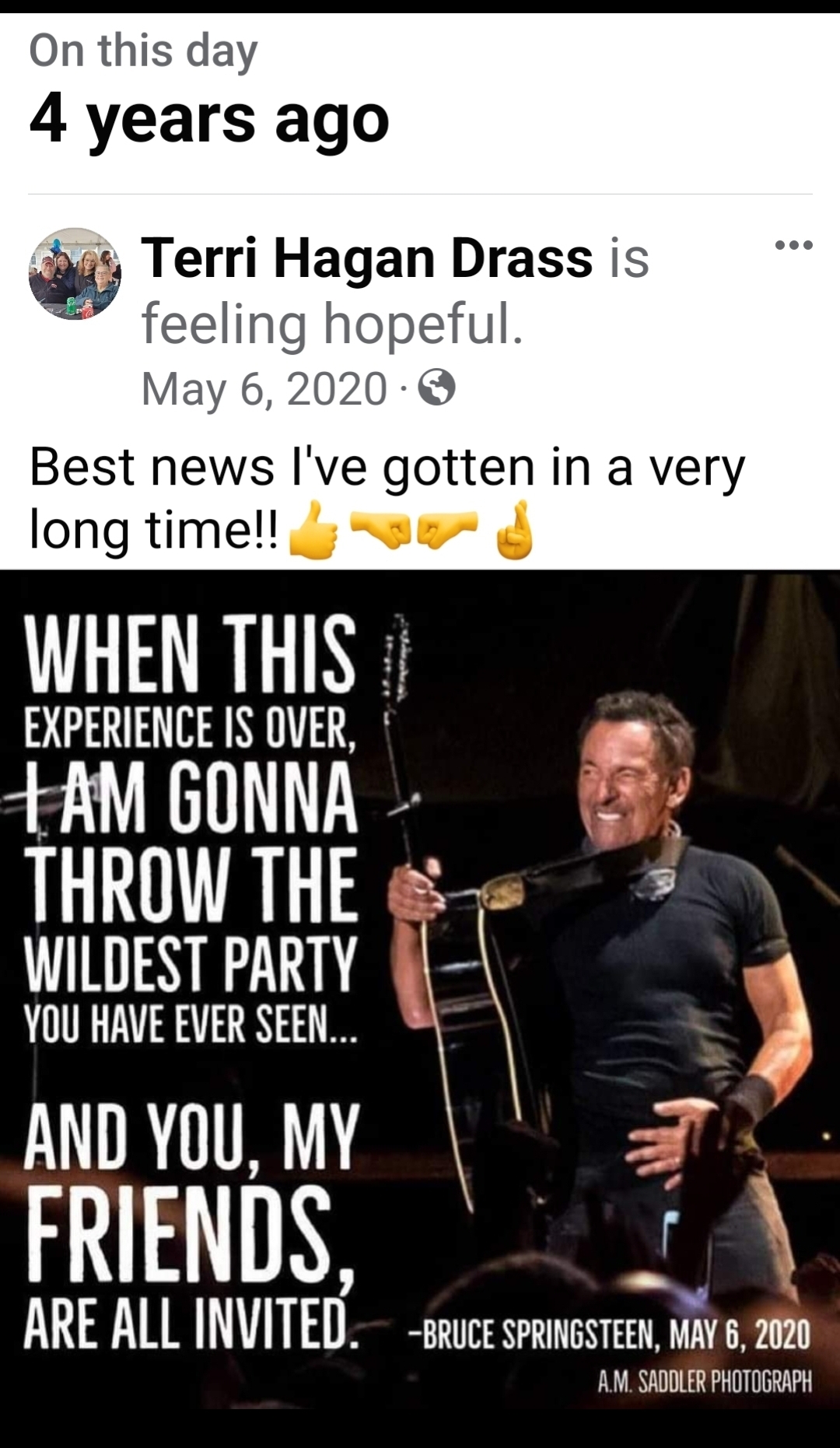
???? For Mrs. Springsteen: The Wish ????
A WRAP is built around five key parts:
- Wellness Toolbox: A list of things you can do to feel better and stay well, like listening to music or exercising.
???? Tunes for Tenacious Titans ????
- Daily Maintenance Plan: A list of actions you take every day to maintain your well-being, like getting enough sleep.
???? Calm, Chamomile, and Kyla the Cat ????

“It is the long history of humankind (and animal kind, too) that those who learned to collaborate and improvise most effectively have prevailed.” — Charles Darwin
- Triggers: A list of situations that might make you feel worse, along with a plan for how to deal with them.
????Temperance and Triggers ????

Chewbacca’s Gentle Journey: Joy, Jedi, and “Gigi” at Disney
- Early Warning Signs: A list of internal signs that show you might be struggling, along with a plan for how to respond.
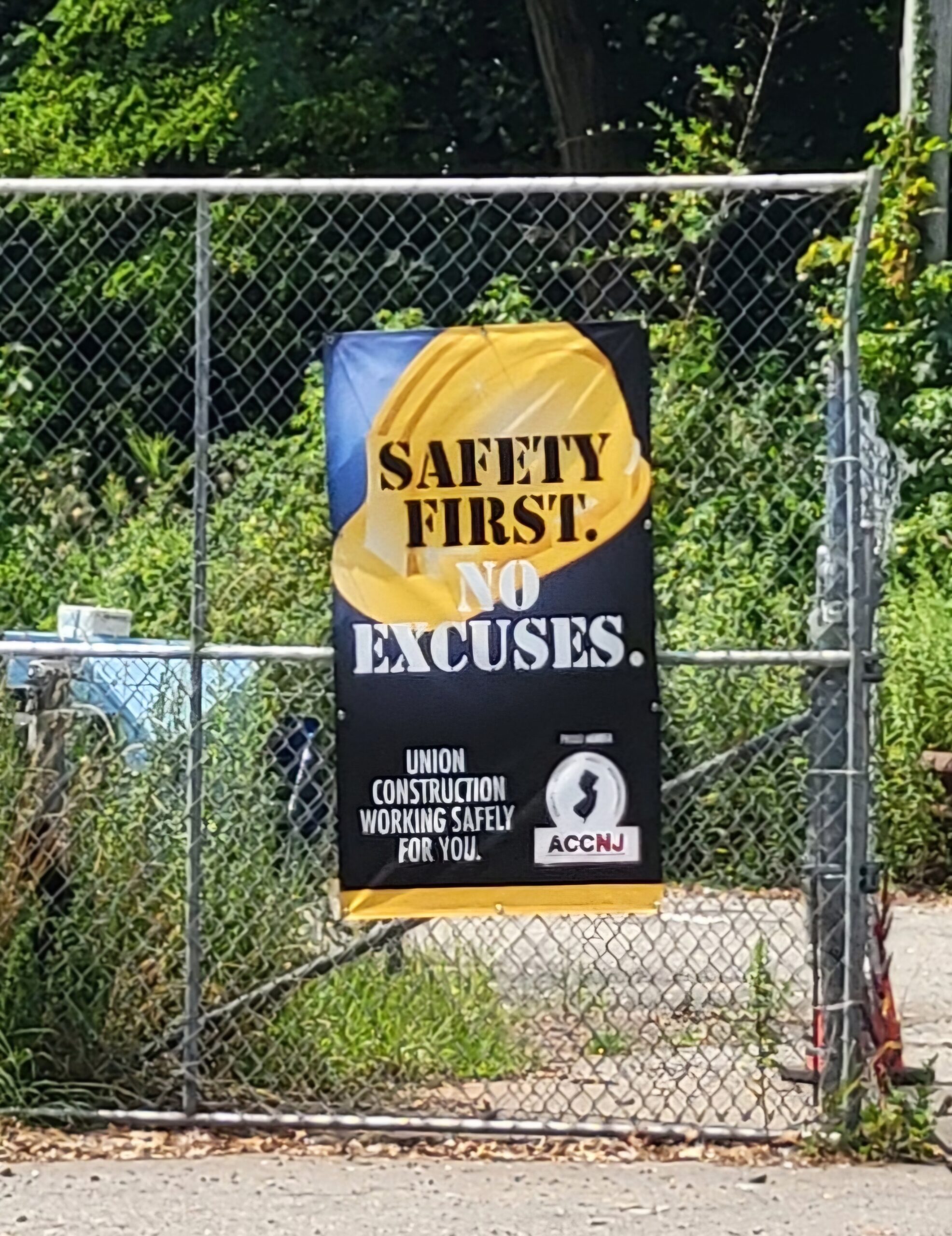
????????Safety Standards and Suicide Prevention ????????
- Crisis Plan: A step-by-step guide for what to do during a severe emotional or mental health crisis.
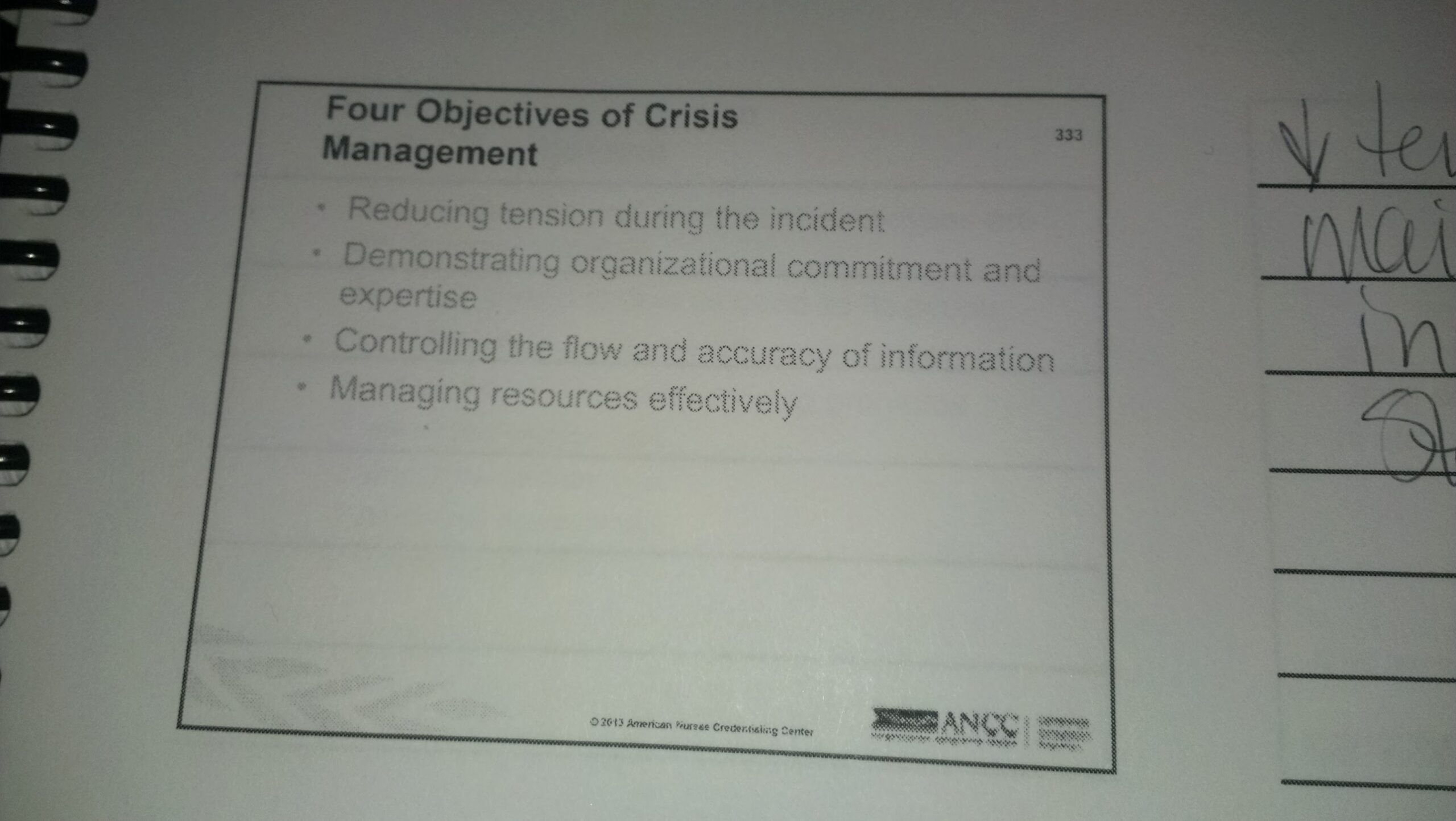
????????Crisis Consulting and Linen Larceny????????
The Best of Both Worlds
Treatment Plans and WRAP Plans work great separately or together! A Treatment Plan gives you the evidence-based interventions and structure for big, complex changes requiring professional support, while a WRAP Plan gives you the power to manage your day-to-day well-being and prevent problems.
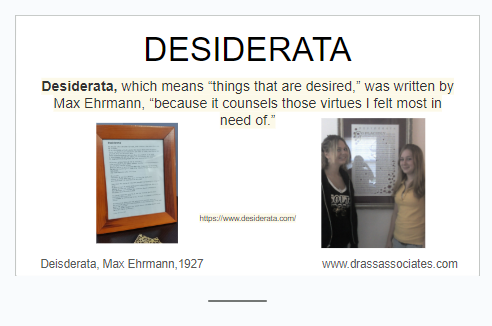
???????? Desiderata: timeless wisdom for finding balance and strength in tough times ????????
Whether in the hospital, in the courtroom, or at home, navigating the complexities of mental wellness in today’s turbulent world requires effective strategies and reliable support. Both Treatment Plans and Wellness Recovery Action Plans (WRAP) offer powerful frameworks for personal well-being, whether you’re seeking professional guidance or empowering yourself at home. By embracing these tools, you can build a personalized roadmap to resilience and recovery. To learn more about how Drass Associates can support you on your mental health journey, please visit our website. Here’s some of what you’ll find:
???????? Workplace Wellness: Project Planning and GiGiDuty ????????
????????Altruism, Boundaries, and Care: The ABCs of People Pleasing????????
????️????️ Arachnids, Allyship and Autonomy: Weaving a Web of Wellness ????️????️
???????? Awaken Your Authentic Awesome ????????
#WednesdayWins, #MentalHealth, #Wellness, #TreatmentPlan, #WRAP, #MentalHealthishealth, #SelfCare, #DrassAssociates, #Healthcare, #OpioidCrisis, #StressRelief, #CommunityHealth, #strongtribessavelives, #planforsuccess, #peaceofmind, #passionwithpurpose, #roadtojoy, #publichealth, #wedogoodwork, #justiceforall, #mentalhealthnursing, #iwasthere, #thinkgloballyactlocally, #mentalhealthishealth, #behavioralmedicine, #healing, #expertwitness, #privateequity, #legalnurseconsultant, #communitycollaboration, #professionalally, #legalnurseconsulting, #nurselife, #lawlife, #standardofcare, #psychiatricnurse, #healthcareadministration, #nurseconsultant, #nurseeducators, #policiesandprocedures, #healthcareregulations, #nurses, #nursesonlinkedin, #certification, #certified, #knowledgeispower, #recoveryworks, #shareyourstory, #professionaldevelopment, #standards, #conference, #evidencebasedpractice, #nurseexecutive, #cno, #networking, #continuingeducation, #nurse, #advocate, #navigator, #nurseadministrator, #substanceusedisordertreatment, #patientsafety, #advocacyinaction, #worklifebalance, #gigilife, #innovation, #socialmedia
*???????? = CLICK HERE THERE’S MORE!! ????????*