

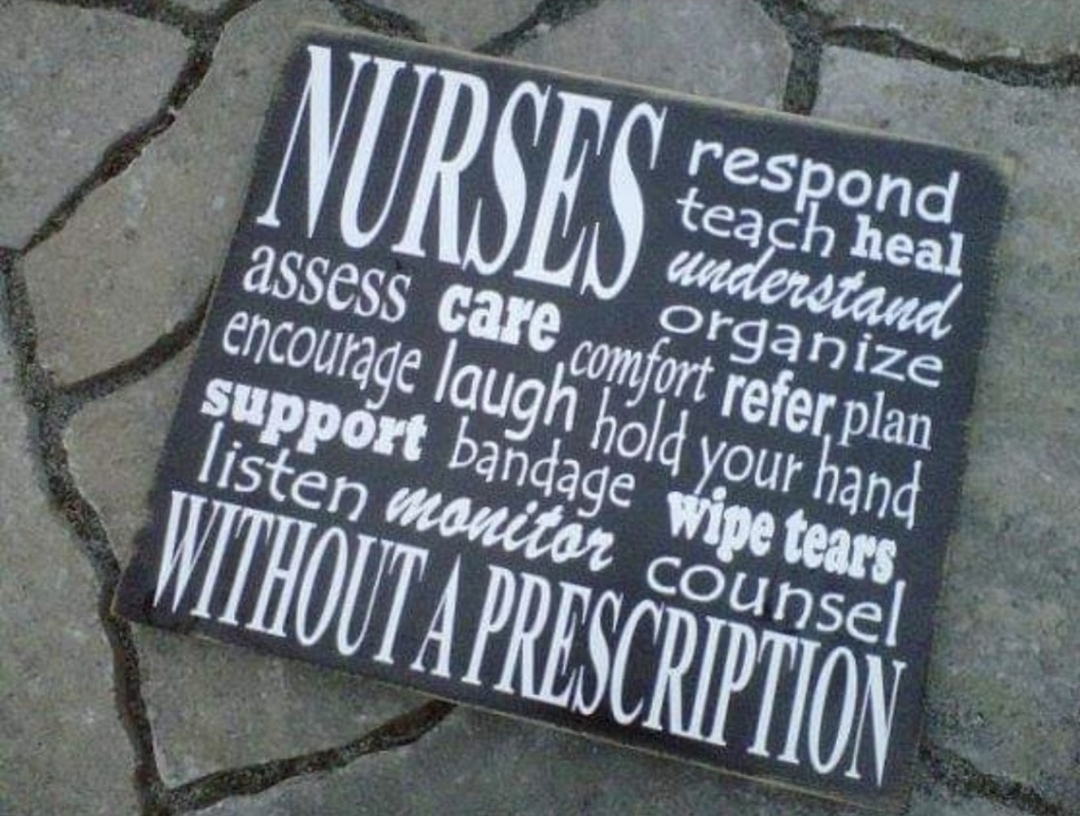
For those who guide others through trauma and loss, the concept of the use of self as a therapeutic tool is paramount. Giving and receiving knowledge and support with both empathy and expertise nurtures the whole tribe. This concept involves intentionally bringing one’s own emotional history, learned knowledge, and authentic, present-day humanity into the healing space. In the face of a profound, personal loss—especially one that mirrors the crises a professional is trained to address—this tool is both tested and strengthened.
When a personal event integrates and reinforces professional knowledge in an emotional way, a powerful shift occurs:
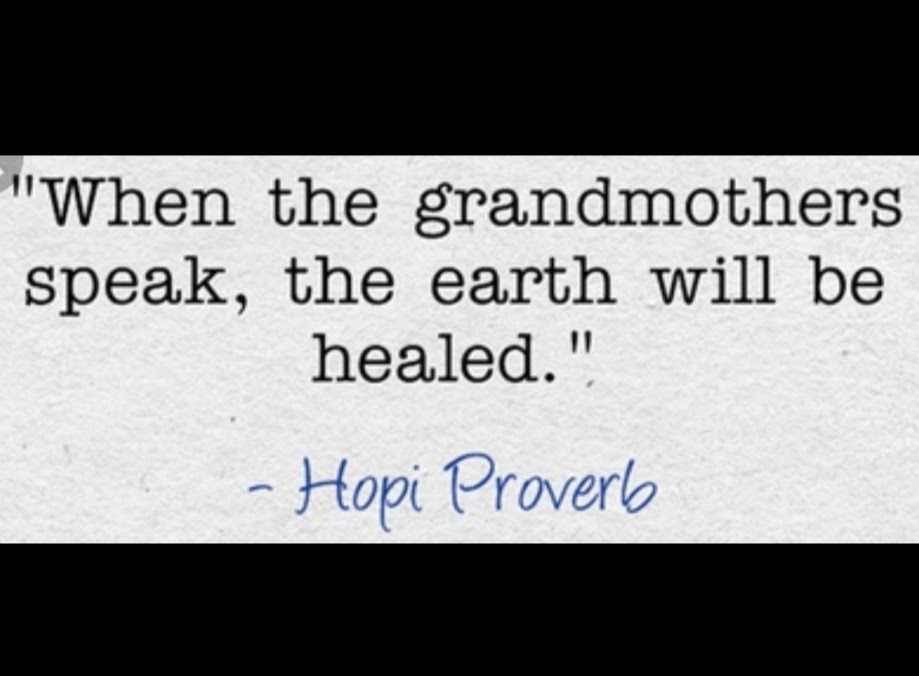
- Emotional Validation of Theory: The abstract concepts (like the “raw despair” of depression or the necessary practice of “Radical Acceptance”) cease to be mere professional frameworks. They become lived, visceral experiences. This personal, emotional validation for the knowledge deepens the professional’s empathy and makes their guidance more authentic and grounded.
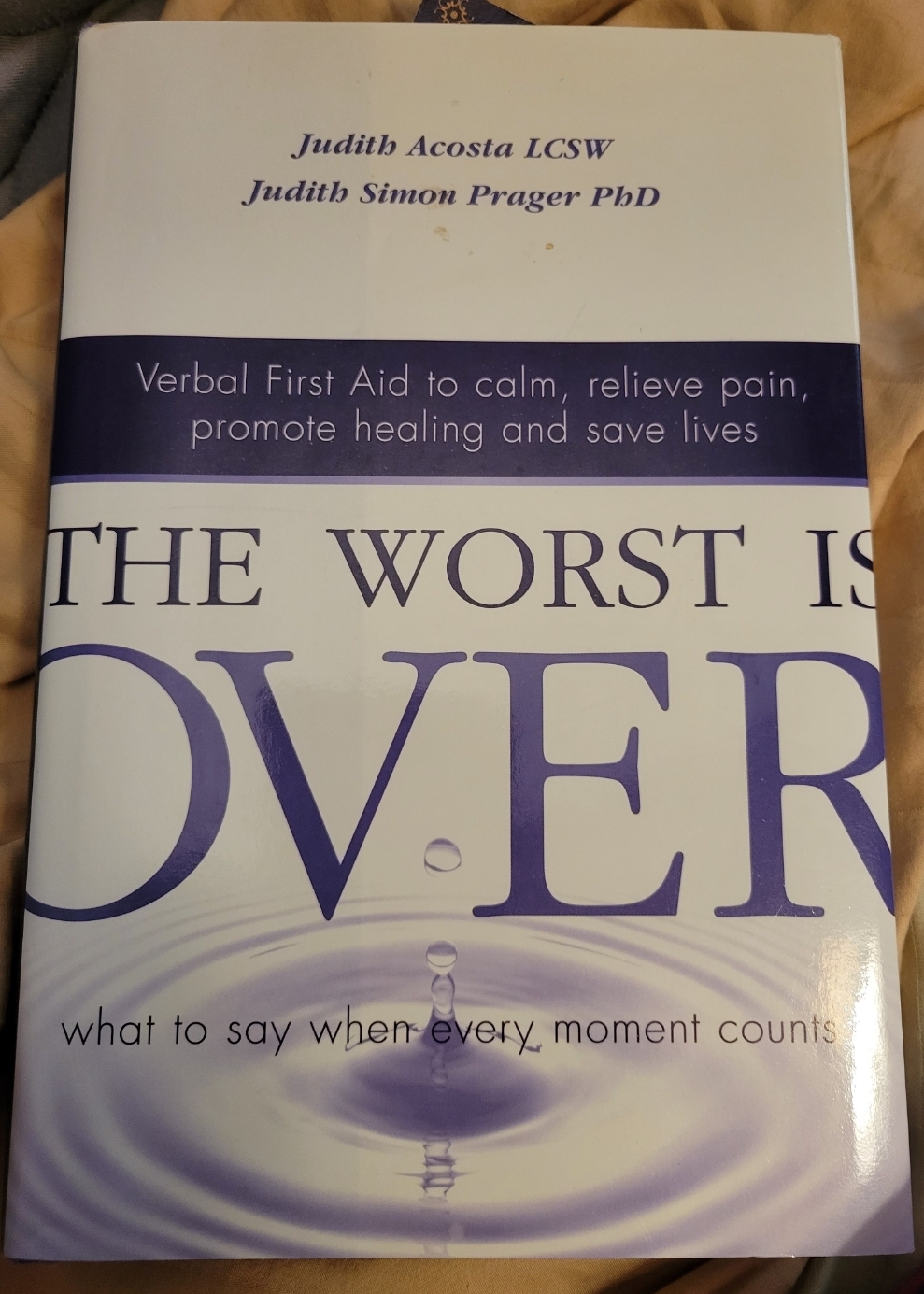
- A Deeper Well of Compassion: The experience of shared human suffering expands the capacity for genuine compassion. The professional no longer understands grief in a textbook sense; they know it. This personal experience allows for a more attuned, patient, and less judgment-prone presence for those they seek to help.
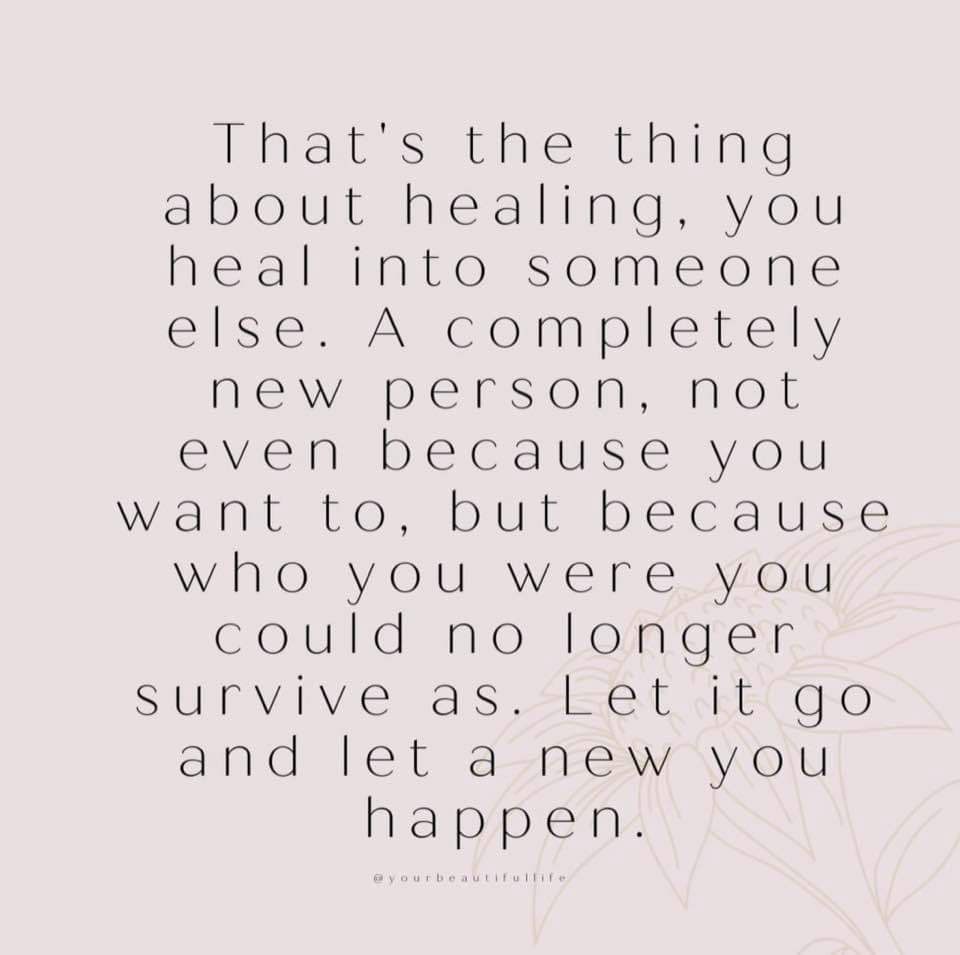
- Authenticity and Relational Healing: The therapeutic self, when informed by personal struggle, becomes more authentic. This authenticity is a powerful, non-verbal tool that communicates acceptance and safety to others. It models the idea that one can navigate crushing despair while still moving forward, turning the professional’s personal healing journey into a quiet, guiding principle for others.

- The Intentional Wounding: This is the conscious decision to allow one’s personal pain to be a source of strength, not a barrier. By processing and integrating their own grief, the professional creates a boundary that permits them to feel with the other person without becoming overwhelmed by them. The “use of self” thus becomes the ability to show up whole and present, transforming personal sorrow into a reservoir of profound, helpful empathy.
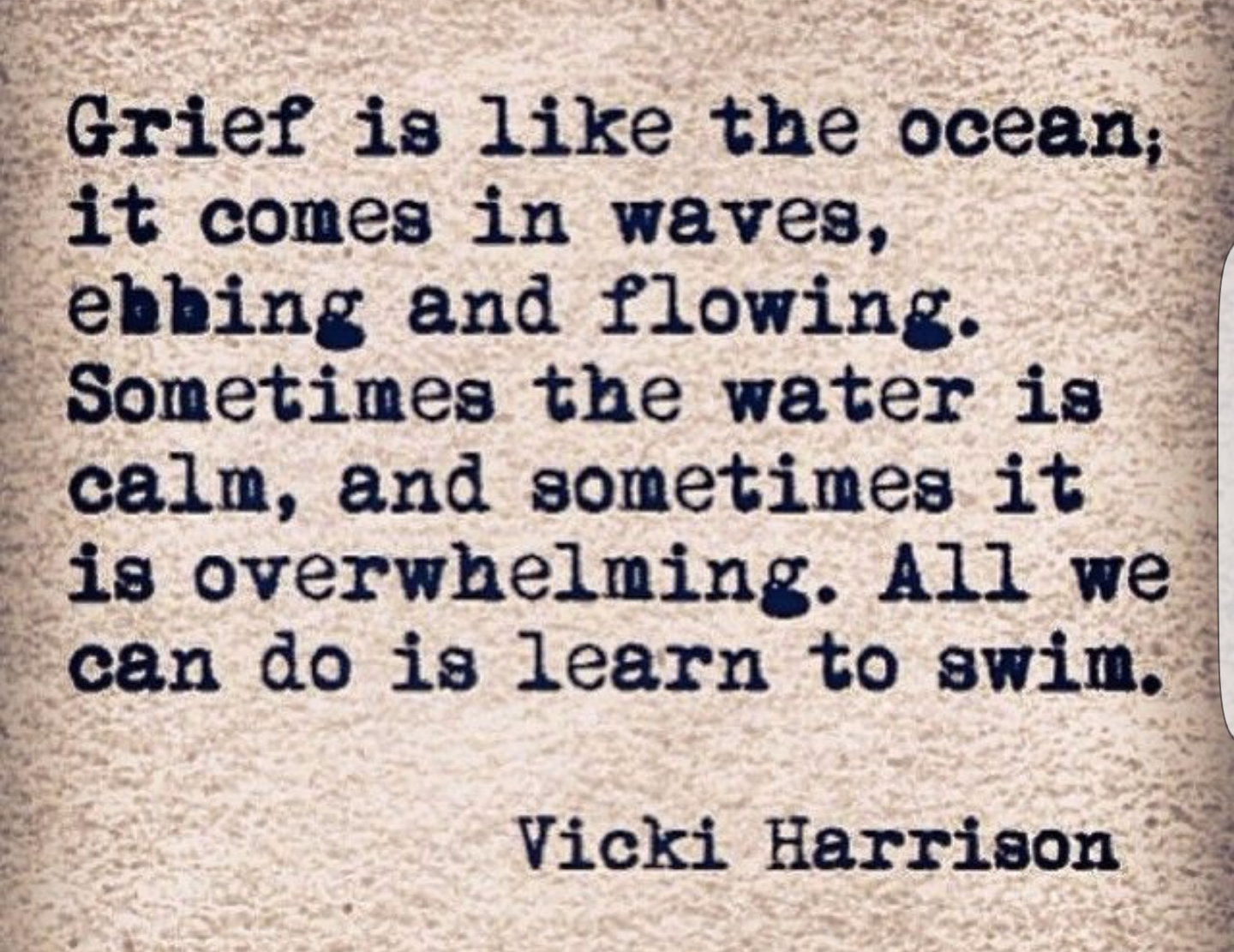
Our family has recently experienced two impactful losses, including that of a young family member. The sudden, unexpected death of a young person is a profoundly shocking event that disrupts the natural order, generating a unique and all-consuming sorrow. For the family navigating this crisis, healing is not passive; it is an active process that requires conscious effort and the application of specific coping mechanisms.
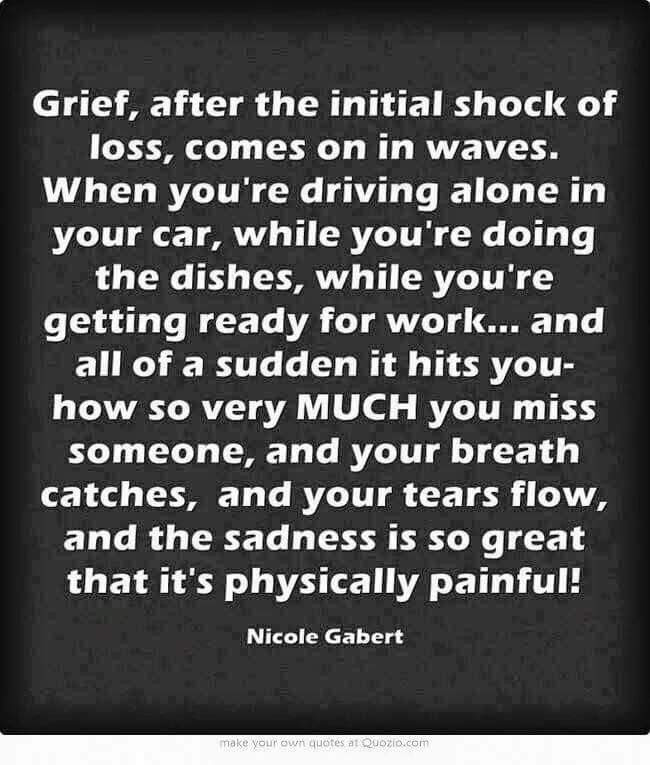
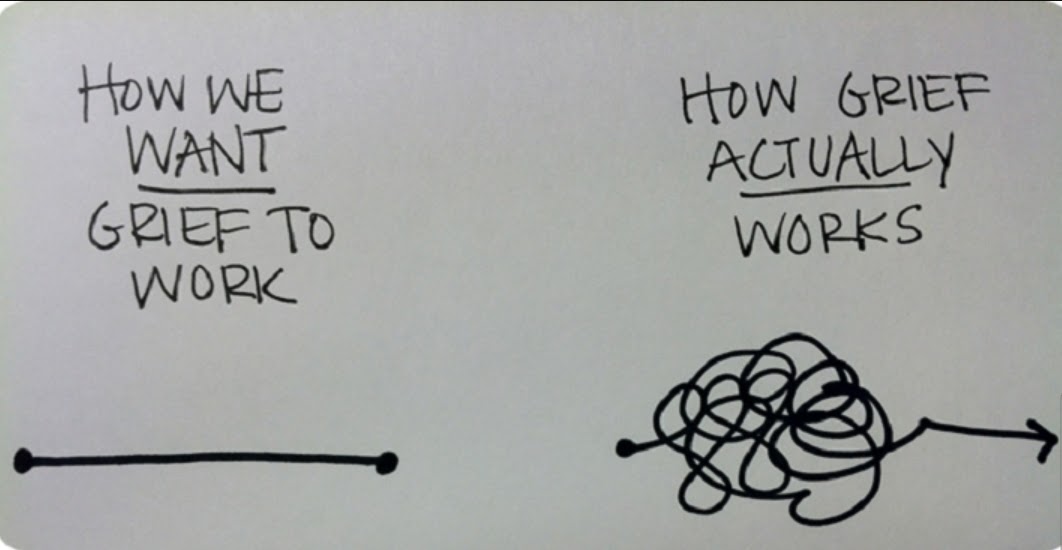
While grief is not linear, understanding the widely recognized stages can provide a valuable framework for navigating the emotional chaos. When loss is sudden and unexpected, the initial stage of Shock and Denial can be particularly intense and prolonged.
- Denial: In the immediate aftermath, the mind struggles to reconcile a loved one’s presence with the sudden finality. This shock is a psychological defense against the full weight of the loss.
- Anger: This stage often manifests as feelings of injustice or rage directed at the situation, oneself, or others. The “anguish of the unspoken”—the trail of “what ifs” and unsaid words—can intensify this anger.
- Bargaining: A period where one attempts to regain control by reflecting on actions or decisions, wishing to undo what has happened.
- Depression: This is the profound sadness and realization of the loss’s reality. The “raw despair causes every breath to be felt like a surrender to an unbearable new reality”.
- Acceptance: This stage is not about “being okay,” but about integrating the loss into one’s life. The family begins to move forward by honoring the memory while adapting to the new reality.
Healing demands specific, conscious skills to process the sadness and protect one’s mental health. The following are essential skills and professional concepts to navigate this crushing despair:

- Practicing Emotional Triage (Self-Preservation): A key concept is self-preservation. There must be a distinction between what can be controlled (one’s own emotional state and response) and the chaos of the external situation. This difficult act involves acknowledging the pain without allowing it to become fully destructive.

- The Power of Radical Acceptance: This concept is a deliberate step toward emotional freedom. It involves accepting the finality of the loss—the unsolvable—and accepting that one cannot change the past or control the emotional responses of other family members. This acceptance is an essential step toward personal healing.

- Mindful Grieving (Honoring the Memory): The focus is on turning memory from a source of anguish into a force for intentional, kind behavior. By choosing to let the legacy of the deceased guide present-day reality, memories of their kindness and dignity can provide a clear, guiding principle for how to process sadness and move forward.
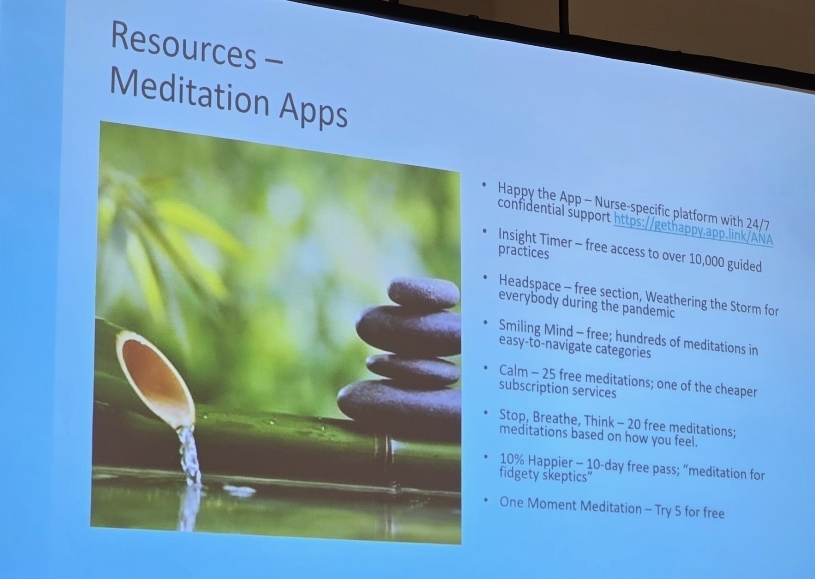
As we enter seasons often marked by reflection and memory, remember that healing is an active process. We are invited to practice the intentional skills discussed here: to embrace the Radical Acceptance of the unsolvable, to implement Emotional Triage for self-preservation, and to engage in Mindful Grieving by choosing to let the legacy of a loved one guide us forward. By honoring both the knowledge and the pain, we navigate crushing despair, transforming personal sorrow into a source of profound, helpful empathy, allowing us to show up whole and present for ourselves and for those with whom we meaningfully interact, especially during the emotional weight of the holiday season.
????: Wellness Recovery Action Plans
(Photo/ meme credit as indicated or unknown.)